
The leeway media

SEO

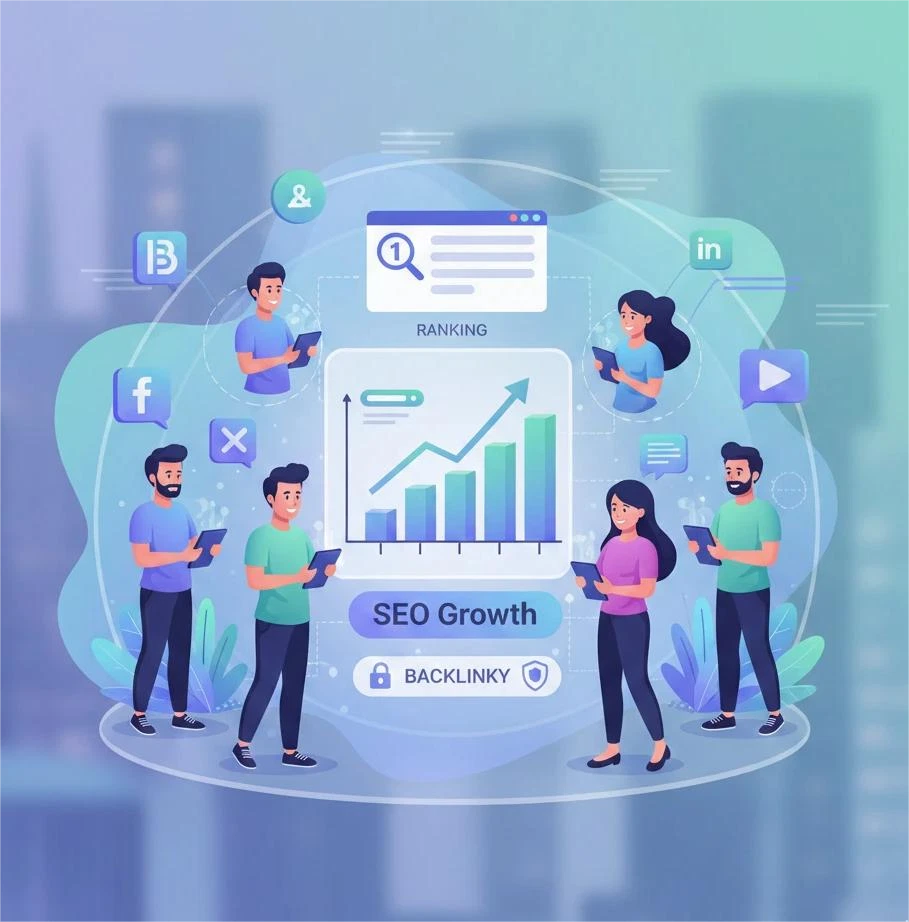
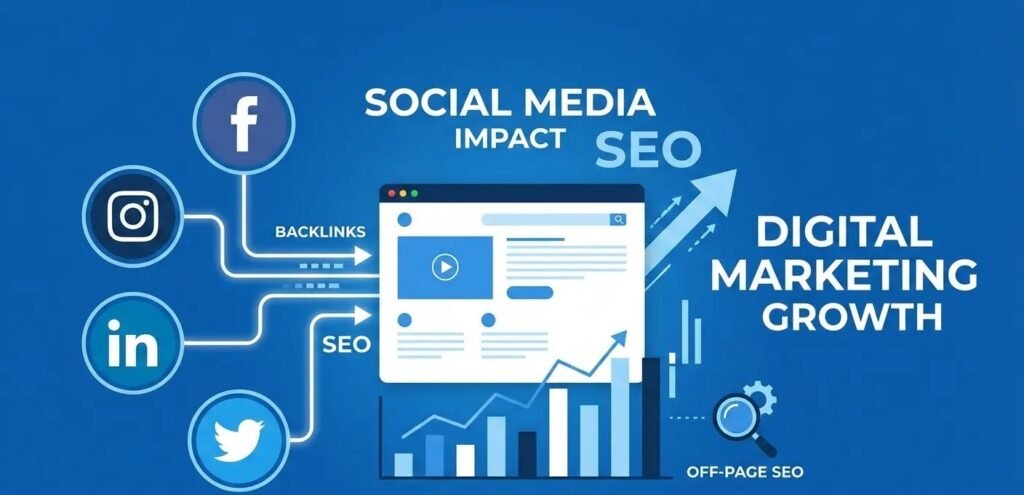
Illustration showing social media impact in off-page SEO through backlinks, traffic growth, and brand authority for a digital marketing agency

Social Media Impact in Off-Page SEO

Social Media Impact Off-Page SEO In today’s digital environment, social media does far more than just connect people; it also plays an important part in increasing your website’s visibility through Off-Page SEO. From boosting brand authority to increasing high-quality traffic and enhancing search rankings, the effect of social platforms on SEO is unquestionable. Businesses that effectively use social media can broaden their reach, foster trust, and promote long-term online success. At The Leeway Media, we help brands realize their full potential through targeted strategies and competent SEO services in Kerala, ensuring that your digital presence works smarter and performs better across all channels. How Does Social Media Impact Off-Page SEO? Social media has no direct impact on search engine rankings, but it dramatically improves Off-Page SEO via multiple important indirect signals. When your material is shared, liked, or discussed across many networks, it enhances visibility, credibility, and organic traffic—all of which search engines weigh when determining a site’s authority. Here’s how social media strengthens Off-Page SEO: Increases Content Reach: More shares mean more people discover your website, leading to higher referral traffic. Boosts Brand Awareness & Authority: Active engagement helps build trust and a strong online reputation. Attracts High-Quality Backlinks: Valuable content shared widely on social platforms often gets picked up by bloggers, journalists, and websites. Improves Indexing: Search engines can find and index content faster when it gains traction on social media. Enhances Engagement Signals: Comments, saves, and interactions create positive brand signals across the web. All things considered, social media serves as a potent amplifier for your website, enhancing its visibility and authority—two essential elements of effective off-page SEO. Does Social Media Presence Help Improve Search Engine Rankings? Social media presence is not a direct ranking criterion for search engines such as Google. However, it has a favorable impact on rankings in various indirect ways. A strong social presence boosts brand awareness, generates more traffic to your website, encourages content sharing, and raises the likelihood of obtaining backlinks—all of which lead to better overall search performance. How Can I Use Social Signals to Improve My SEO Rankings? While social signals like as shares, likes, and comments are not direct Google ranking considerations, they do improve the indirect signals that help your SEO performance. Here’s how to make good use of them: Share High-Quality, Valuable Content: Meaningful, engaging content gets shared more often, increasing visibility and referral traffic. Stay Active on Major Platforms: Regular posting keeps your brand relevant and encourages consistent engagement. Encourage User Interaction: Ask questions, run polls, and create interactive posts to boost comments and engagement rates. Use Strong CTAs to Drive Website Visits: Guide your social audience to your website or blog, increasing organic sessions and improving search signals. Collaborate With Influencers: Influencers can amplify your reach, attract new audiences, and increase chances of earning backlinks. Optimize Your Profiles (Social SEO): Use relevant keywords in your bio, descriptions, and hashtags to make your profiles more discoverable. Repurpose Content Across Platforms: Turning your blogs into reels, carousels, or infographics boosts visibility and encourages sharing. Final Thoughts Social media is becoming a crucial component of off-page SEO, assisting companies in reaching a wider audience, establishing credibility, and drawing in valuable traffic that promotes long-term search ranking success. When applied properly, it serves as an amplifier, enhancing the visibility of your material, promoting interaction, and raising the possibility of obtaining high-quality backlinks. At The Leeway Media, we help businesses capture the actual power of social platforms by providing specialized strategies and experienced SEO services in Thodupuzha, ensuring that your brand remains visible, relevant, and competitive in the digital space. By combining strong social media efforts with solid SEO tactics, you can build a strong online presence that promotes steady development. Instagram   Facebook 

Social Media Impact in Off-Page SEO Read More »

mastering-link-building-in-Off-Page-SEO-blog-hero-image

Link Building in Off-Page SEO

Link building & Off-Page SEO In the ever-changing world of digital marketing, having a strong online presence is no longer optional—it is required. While on-page SEO optimizes your website for search engines, off-page SEO and successful link-building tactics are critical in increasing your site’s authority, credibility, and search ranks. Building high-quality backlinks, guest posting, and social engagement are just a few techniques for increasing organic traffic and online visibility. Working with a reputable SEO agency in Kerala, such as The Leeway Media, can make all the difference for companies seeking a competitive edge. We assist organizations in enhancing their online presence, increasing traffic, and achieving sustained expansion with professional advice and customized off-page tactics. What is Link Building in Off-Page SEO? The process of obtaining hyperlinks from other websites to your own is known as link building in off-page SEO. As “votes of confidence” for your website, these links—often referred to as backlinks—tell search engines that your information is reliable, authoritative, and important. The process of obtaining hyperlinks from other websites to your own is known as link building in off-page SEO. As “votes of confidence” for your website, these links—often referred to as backlinks—tell search engines that your information is reliable, authoritative, and important. Here’s a more detailed breakdown: Purpose of Link Building Improves your website’s domain authority. Boosts search engine rankings. Drives referral traffic from other sites. Types of Links Natural links: Earned organically when other websites link to your content because it’s valuable. Manual outreach links: Obtained by contacting bloggers, influencers, or websites and requesting a backlink. Self-created links: Placed in directories, forums, or blog comments (less effective if overused). Best Practices in Off-Page SEO Link Building Focus on quality over quantity—a link from an authoritative site is more valuable than dozens from low-quality sites. Use relevant anchor text to describe the linked page accurately. Diversify your link sources (blogs, social media, news sites, directories). Avoid black-hat techniques, such as buying links, which can lead to penalties. Why are Backlinks Important for Off-Page SEO? Backlinks are one of the most important aspects of off-page SEO since they show search engines that your website is trustworthy, authoritative, and relevant. Each backlink acts like a “vote of confidence” from another site, suggesting that your material has worth. Strong backlink profiles frequently result in greater search engine rankings, more organic traffic, and improved domain authority. However, backlinks are only one aspect of off-page SEO. Social media presence also plays a crucial role. Posting your material on social media sites like Facebook, LinkedIn, Instagram, and Twitter can boost exposure and improve traffic. Social signals assist search engines in realizing that your material is popular and interesting, which indirectly aids your SEO efforts. For businesses looking to boost their online presence, integrating excellent link development with an active social media strategy is critical. To read a comprehensive overview on utilizing social media for off-page SEO, check out our upcoming blog. How Do Backlinks Affect Your Website’s Ranking? One of the most important elements in establishing your website’s search engine ranking is backlinks. When a respectable website connects to your material, it tells search engines like Google that your website is reliable, authoritative, and pertinent. More high-quality backlinks increase your chances of ranking for competitive keywords. Here’s how backlinks impact your rankings: Authority Boost: Backlinks from authoritative websites increase your site’s credibility in the eyes of search engines. Improved Search Visibility: High-quality backlinks help your pages appear on the first page of search results, driving more organic traffic. Faster Indexing: Backlinks from popular websites help search engines discover your content faster. Referral Traffic: Beyond SEO, backlinks can bring direct visitors from other websites interested in your content. It’s important to prioritize quality over quantity—a single link from a high-authority site is typically worth more than hundreds from low-quality sites. When combined with a strong social media presence, backlinks can greatly improve your website’s exposure, engagement, and overall SEO performance. Types of Backlinks: Dofollow vs. Nofollow Links in Off-Page SEO Backlinks are an important part of off-page SEO, but not all links are made equal. Understanding the difference between dofollow and nofollow links might help you design a more effective backlink strategy. Dofollow Links These are standard links that pass SEO value (link juice) from the linking website to your site. They help improve your domain authority and search engine rankings. Example: When a high-authority blog links to your article without any special tag, it’s a dofollow link. Nofollow Links These links include a special tag that tells search engines not to pass SEO value. While they don’t directly boost rankings, they can still drive referral traffic and increase your brand’s visibility. Example: Links in blog comments, forums, or some social media platforms are often nofollow. For a successful off-page SEO strategy, aim for a natural blend of dofollow and nofollow links. Dofollow links improve your results, whereas nofollow links assist you in gaining traffic, exposure, and creating relationships in your niche. What is a Quality Backlink, and How Do You Get One? A link pointing to your website from a respectable, authoritative, and pertinent domain is called a quality backlink. Unlike low-quality links from spammy or irrelevant websites, quality backlinks raise your search engine rankings, increase domain authority, and drive targeted traffic. Characteristics of a Quality Backlink: Authority: Links from well-established sites with high domain authority carry more weight. Relevance: Links from websites related to your niche or industry are more valuable. Trustworthiness: Avoid spammy or suspicious sites; links from trusted sources matter most. Natural Placement: Links embedded naturally within content are more effective than those in footers or sidebars. Traffic Potential: Backlinks that drive real users to your site are highly valuable. How to Get Quality Backlinks: Create High-Quality Content: Valuable, informative, and shareable content naturally attracts backlinks. Guest Blogging: Contribute articles to authoritative websites in your industry with a link back to your site. Build Relationships: Network with bloggers, journalists, and influencers to earn mentions and links. Leverage Social Media:

Link Building in Off-Page SEO Read More »

visual representation of a successful off-page SEO strategy with numerous high-quality backlinks pointing to a central website, symbolizing increased domain authority and search engine ranking.

What is Off-Page SEO?

Introduction to Off-Page SEO Off-page SEO is vital for increasing a website’s visibility, authority, and search engine ranks. Unlike on-page SEO, which focuses on improving elements within your website, off-page SEO includes activities carried out outside your website to build trust and credibility in the eyes of search engines. This encompasses methods including link building, social media engagement, influencer outreach, and online reputation management. Working with an experienced SEO company in Kerala can help businesses improve their internet visibility significantly. The Leeway Media, a leading digital marketing company, specializes in off-page SEO tactics that increase domain authority, create high-quality visitors, and boost search engine ranks. Businesses can establish a strong online presence and obtain a competitive advantage in their sector by utilizing their skills. What is Off-Page SEO and Why Is It Important for Your Website? Off-page SEO encompasses all optimization operations undertaken outside of your website to boost its authority, credibility, and search engine ranking. Unlike on-page SEO, which focuses on improving content, meta tags, and site structure internally, off-page SEO focuses on increasing your website’s reputation and trustworthiness through external signals. Backlink Building: Getting high-quality backlinks from reputable websites indicates to search engines that your content is significant and trustworthy. Social Media Engagement: Promoting your content on social media platforms increases visibility, drives traffic, and encourages natural connections. Influencer Outreach: Working with influencers or significant figures in your industry can boost your website’s credibility and reach. Online Reviews and Reputation Management: Positive reviews and mentions boost trust and improve rankings. Off-page SEO is important because search engines, such as Google, utilize external signals to establish a website’s authority and relevancy. A strong off-page SEO profile can lead to higher ranks, more organic traffic, and better brand recognition. In other words, no matter how effectively your website is optimized internally, gaining authority through off-page SEO is critical for long-term success. What are the Key Components of Off-Page SEO? The goal of off-page SEO is to enhance your website’s authority, credibility, and search engine ranking through external actions. These are the most crucial elements: Backlink Building One of the most powerful SEO signals is a high-quality backlink from a reputable website. Concentrate on obtaining links organically through collaborations, guest posts, and worthwhile content that others want to reference. Social Media Engagement Sharing content on channels like as Facebook, LinkedIn, Twitter, and Instagram improves visibility and traffic. Engaging in active social media promotes brand identification and sharing, which helps SEO indirectly. Influencer and Blogger Outreach Collaborating with influencers or niche bloggers allows your material to reach a larger, more targeted audience. Mentions or links from recognized figures increase your website’s reputation and authority. Online Reputation Management In the eyes of users and search engines, credibility is enhanced by positive reviews, testimonials, and brand references. It’s critical to manage and reply to reviews on sites like Google My Business. Content Marketing and PR Sharing press releases, high-value material, or media mentions boosts visibility and generates organic linking chances. Thought leadership content in your niche enhances your website’s reputation and relevance. Forum and Community Engagement Participating in relevant forums, Q&A sites, and online communities can help increase traffic and backlinks. Contributions should always be constructive and educational rather than merely promotional. Local SEO Signals Citations, local directories, and Google My Business optimization can all help businesses rank higher in local searches. How Does Off-Page SEO Differ From On-Page SEO? While both on-page and off-page SEO attempt to increase your website’s search engine ranking, they concentrate on different parts of optimization: On-Page SEO: Refers to optimization tasks carried out directly on your website. Content, meta tags, URL structure, internal linking, image optimization, and the general user experience are all included in this. Off-Page SEO: Include tactics used outside of your website to enhance its online reputation, authority, and credibility. Backlink development, social media interaction, influencer outreach, and online reviews are a few examples. Control On-Page SEO: Completely under your control since you can modify your website’s content, structure, and technical elements. Off-Page SEO: Partially outside your control because it relies on external websites, social media platforms, and user interactions to build authority. Main Focus On-Page SEO: Guarantees that your website is optimized for search engines and visitors, making it simpler to comprehend, navigate, and index. Off-Page SEO: Focuses on establishing trust, credibility, and authority, indicating to search engines that your website is useful and relevant. Examples On-Page SEO: Keyword optimization, meta descriptions, internal linking, heading structure, and page load speed. Off-Page SEO: High-quality backlinks, social shares, guest posts, influencer mentions, and online reviews. Impact On-Page SEO: Directly enhances how search engines interpret and rank your content. Off-Page SEO: Enhances your site’s authority and trustworthiness, which is crucial for ranking competitively, especially for high-competition keywords. Is Off-Page SEO More Important Than On-Page SEO? The short answer is no; both on-page and off-page SEO are equally crucial in improving your website’s search engine ranking. Off-Page SEO establishes authority, authenticity, and trust through external signals, like as backlinks and social engagement, whereas On-Page SEO guarantees that your website is correctly optimized for search engines and offers an excellent user experience. Why On-Page SEO Matters: It makes your website understandable and navigable for search engines. Optimized content, meta tags, headings, and URLs help your pages rank for targeted keywords. Good on-page SEO improves user experience, reducing bounce rates and increasing engagement. Why Off-Page SEO Matters: It signals to search engines that your website is credible, trustworthy, and authoritative. High-quality backlinks, social shares, and brand mentions increase your site’s reputation and visibility. Off-page SEO can help your website rank higher for competitive keywords. In essence, On-Page SEO establishes the foundation, but Off-Page SEO increases your website’s authority. Your SEO results may be limited if you ignore either. Final Thoughts Off-page SEO is an effective component of digital marketing that helps your website gain authority, trust, and long-term visibility. While on-page SEO optimizes your content internally, off-page methods like backlink building, social engagement, influencer collaborations, and online reputation management

What is Off-Page SEO? Read More »

An infographic showing the key elements and tools for effective On page seo optimization for higher search rankings.

What is On-Page SEO

In today’s competitive digital market, being visible on search engines is more than simply an advantage; it’s a requirement. That’s where on-page SEO comes in. It’s the cornerstone of every powerful SEO strategy, guaranteeing your website is optimized from the inside out for greater exposure, higher rankings, and improved user experience. At The Leeway Media, the best digital marketing agency in Kerala, we use effective on-page SEO strategies to assist companies in improving their online visibility. In this blog, we’ll explain what on-page SEO is, why it’s important, and how it may help your website become a high-performing digital asset. What is On-Page SEO On-page SEO is the practice of optimizing individual web pages so that they rank higher in search engines and generate more relevant traffic. It focuses on optimizing both the content and the HTML source code of a page so that search engines can readily determine what the page is about. Keywords, headings, meta tags, URL structure, internal link, image alt text, page speed, and user experience optimization are all included in this. Businesses may make their website more user-friendly, search-friendly, and compliant with Google’s ranking requirements by implementing these on-page changes, which will ultimately help them rank higher in search results and connect with the appropriate audience. Is It Relevant in SEO? Yes, on-page SEO is still one of the most crucial components of any SEO plan and is quite relevant. It aids search engines in comprehending your content, accurately indexing it, and assessing its usefulness and relevance to users. Even the best content may have trouble ranking without adequate on-page optimization. Additionally, on-page SEO enhances the user experience by improving the speed, readability, and usability of your website, all of which raise your ranks. In short, it serves as the foundation for SEO success by ensuring that every page on your website is optimized to perform effectively in search results. Elements of On-Page SEO Title Tags: The primary headline that shows in search engine results. A well-optimized title tag contains the major keyword and effectively explains what the page is about. Meta Descriptions: A Summary that shows up in search results beneath the title. By providing a brief overview of your page’s content, they aid in increasing click-through rates. Header Tags (H1, H2, H3…): These aid in organizing your information and facilitate visitors’ and search engines’ comprehension of important portions of your page. URL Structure: Search engines are better able to comprehend the context of a page when URLs are clear, readable, and contain pertinent keywords. Keyword Optimization: Using the proper keywords naturally in your text, headers, and meta tags helps search engines match your page to search queries. High-Quality Content: The foundation of on-page SEO is excellent, unique, and informative content. It should deliver definite value and respond to consumer inquiries. Internal Linking: Linking to different pages on your website improves search engine crawling and increases user engagement. Image Optimization: Using descriptive file names and alt text allows search engines to better comprehend your photographs and increases accessibility. Page Speed: Pages that load quickly improve user experience and are preferred by search engines. Mobile Friendliness: Websites must be responsive and simple to use on mobile devices, as the majority of users browse using smartphones. User Experience (UX): Good design, easy navigation, understandable language, and a clear layout encourage consumers to remain longer and lower bounce rates. Importance of Keyword Research in On-Page SEO Keyword research is one of the most important processes in on-page SEO since it reveals what your target audience is looking for and how they phrase their queries. Identifying the proper keywords allows you to generate content that is perfectly aligned with user intent, making your pages easier to find and valuable. Everything from your title tags, headings, and meta descriptions to the general flow of your content is guided by well-selected keywords. They aid search engines in comprehending the subject matter of your page and providing appropriate search results. Without adequate keyword research, you risk choosing keywords that are overly competitive, irrelevant, or infrequently searched, lowering your chances of ranking. When done properly, keyword research guarantees that your content reaches the appropriate audience, enhances exposure, increases organic traffic, and fortifies overall SEO performance. Is On-Page SEO and Off-Page SEO Two Different Things? Yes, on-page SEO and off page SEO are two distinct aspects of search engine optimization, and each plays a unique function in increasing your website’s position. On-page SEO focuses on optimizing elements within your website—such as content, keywords, title tags, URLs, internal links, page speed, and user experience. These are factors you can directly control. Off-page SEO, on the other hand, refers to actions taken outside your website to improve its authority and credibility. This includes backlinks, social signals, brand mentions, influencer outreach, and other external activities that help build trust. Both are necessary: on-page SEO helps search engines understand your content, whilst off-page SEO improves your website’s reputation. When combined, they produce a well-rounded and successful SEO strategy. Can I Bring My Website to the First Page Only with On-Page SEO? No, on-page SEO alone is typically insufficient to rank your website on the top page, particularly for competitive keywords. While on-page SEO is vital for optimizing your content, structure, and user experience, search engines also consider off-page factors such as backlinks, domain authority, and trust signals. However, for low-competition or very specialized keywords, where fewer websites compete for the same phrases, on-page SEO may occasionally be sufficient. But for most keywords, you’ll require a combination of strong on-page optimization and effective off-page SEO to attain and maintain first-page rankings. Benefits of On-Page SEO Better Keyword Integration: By properly incorporating relevant keywords into your content, titles, and meta descriptions, you can make your website more search engine-friendly and easier to find. Acts as a 24/7 Salesperson: Strong on-page optimization makes your website function continuously, drawing visitors and encouraging them to take action. Improved User Experience: Engaging content, quick page loads, and a clean layout all help

What is On-Page SEO Read More »

Scroll to Top