
The leeway media

SEO

how-to-track-brand-mentions-for-seo-purposes

How to Track Brand Mentions for SEO Purposes to Boost ROI?

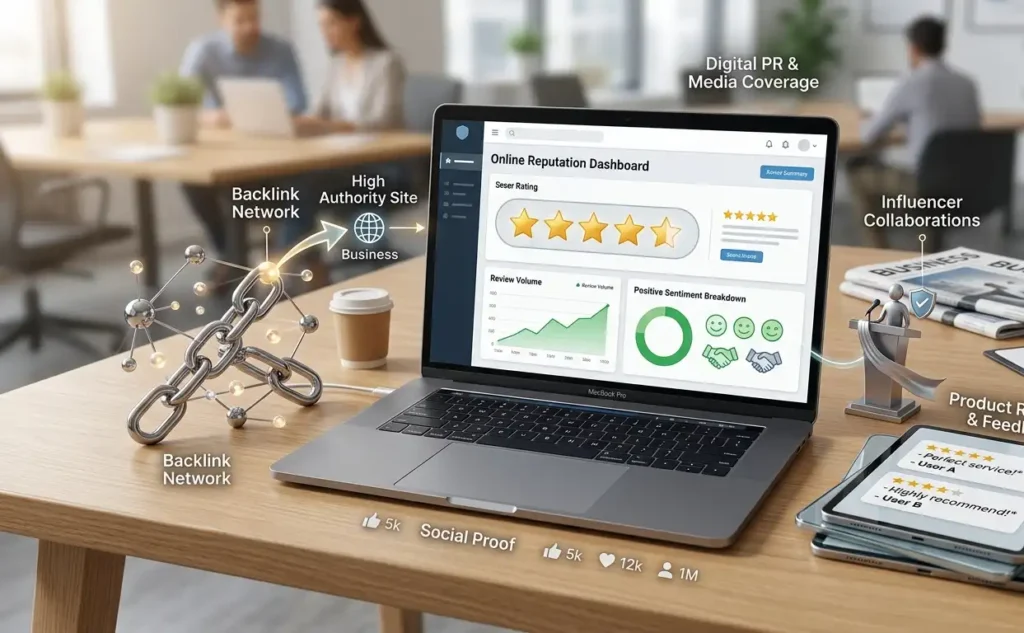
The Ultimate Guide: How to Track Brand Mentions for SEO Purposes to Boost Rankings and AI Visibility How to Track Brand Mentions for SEO Purposes: A Step-by-Step Guide for Modern Brands In the era of Google’s E-E-A-T (Experience, Expertise, Authoritativeness, and Trustworthiness) and Generative AI platforms such as ChatGPT, Perplexity, and Google SGE, a brand is more than just a website; it is a digital presence. Every mention of your company on the web contributes to your authority in the eyes of search engines and AI. Many businesses miss out on potential ranking chances by ignoring brand mentions. Learning how to track brand mentions for SEO purposes is critical for regaining backlink chances, increasing authority, and enhancing exposure in current search experiences. While keeping track of mentions is crucial, maintaining them consistently across the web calls for knowledge and the right approach. That’s why working with an experienced SEO agency in Kerala, such as The Leeway Media, can help you convert every brand mention into long-term SEO growth. Why Learning How to Track Brand Mentions for SEO Purposes Matters Today Search engines have moved far beyond merely counting backlinks. Google now examines your brand as an entity, connecting information from websites, news stories, directories, forums, and social platforms using its Knowledge Graph. Even unlinked brand mentions help Google determine who you are, what you do, and how authoritative your company is in your field. Brand mentions are now much more valuable due to the growth of AI-powered search. Platforms such as ChatGPT, Perplexity, and Google’s AI-powered search experiences rely on reliable sources from throughout the web to create answers. Your chances of being identified, referred, and quoted in these AI-generated responses increase with the frequency with which reputable websites mention your business. This makes brand mention tracking an essential component of Generative Engine Optimisation (GEO) and Answer Engine Optimisation (AEO) strategies. Tracking brand mentions offers one of the highest-ROI SEO opportunities—link reclamation—in addition to establishing authority. Many websites have already mentioned your company without connecting back to your website. Identifying unlinked mentions and contacting publishers can often result in contextual backlinks from authoritative websites, enhancing your domain authority, referral traffic, and search ranks with no effort. In today’s AI-driven search environment, tracking brand mentions isn’t just about keeping track of your reputation—it’s about transforming every online mention into a tangible SEO advantage. Step 1: Mapping Your Keywords for Effective Brand Mention Tracking Before you begin tracking brand mentions, you must first identify what you intend to track. You can’t monitor conversations, regain backlinks, or assess visibility until you know which keywords and brand terms are most important. Create a tracking list that includes: Your exact brand name and common variations: Monitor your official brand name along with abbreviations, alternate spellings, and common misspellings (e.g., Leeway, Leeway Digital, Leeway Digital Marketing). This ensures you don’t miss valuable mentions. Your core services and unique offerings: Track mentions of your specialized services, proprietary frameworks, signature products, or unique solutions that people associate with your brand. Key people behind your brand: If your founders, CEO, or subject matter experts regularly appear on podcasts, webinars, conferences, or publish thought leadership content, monitor their names too. Personal brands often generate authority that benefits the business. Your competitors: Tracking competitor mentions helps you measure your Share of Voice (SOV), identify new backlink opportunities, and understand where your competitors are earning attention that your brand isn’t. A well-thought-out keyword map guarantees that you get every significant mention, providing you with a strong basis for a successful brand monitoring and SEO strategy. Step 2: Choosing the Right Tools to Track Brand Mentions for SEO Purposes Tracking brand mentions manually is nearly unattainable as your online presence grows. Finding mentions on websites, news outlets, blogs, social media, and even future AI-powered search ecosystems is made easier with the correct tools. Here’s a quick comparison of the most popular options: Tool Type Examples Best Used For Free / Basic Google Alerts, Talkwalker Alerts Receiving simple email notifications for new web mentions and monitoring basic brand visibility. SEO & Link Building Ahrefs Content Explorer, Semrush Finding high-authority unlinked brand mentions, discovering backlink reclamation opportunities, and analyzing competitor mentions. Social & AI Listening BrandMentions, BuzzSumo Monitoring social conversations, tracking brand sentiment, and identifying mentions that influence AI platforms like ChatGPT and Perplexity. Step 3: Categorizing and Triaging Your Brand Mentions When you start tracking brand mentions, you’ll immediately realise that not every reference is worth the same amount of attention. The trick is to filter out the noise and prioritise mentions that can favourably affect your SEO and brand reputation. Start by removing low-value mentions from spam websites, content scrapers, automatically created directories, and irrelevant job boards. These are rarely useful for SEO and can divert your attention away from more important prospects. Next, focus on these high-priority categories: Unlinked Brand Mentions (Highest Priority): These are your biggest SEO opportunities. If a reputable website mentions your brand without linking to your site, evaluate its Domain Rating (DR) or Authority Score using tools like Ahrefs or Semrush. High-authority websites are ideal candidates for link reclamation, helping you earn valuable contextual backlinks with minimal outreach. AI Citations (AEO/GEO): As AI-powered search continues to grow, monitor how platforms like ChatGPT and Perplexity reference your brand. Understanding where AI systems source information helps you strengthen your presence across trusted websites and improve your visibility in AI-generated answers. Sentiment Analysis: Classify mentions as positive, neutral, or negative. Positive mentions from customers, media, or industry experts can be amplified through your marketing channels, while negative reviews or unfavorable press should be addressed quickly to protect your reputation and maintain trust. By categorising mentions based on SEO value, authority, AI relevance, and sentiment, you can concentrate your efforts on the possibilities with the biggest impact. Partnering with a Specialized SEO Agency in Kerala for Advanced Link Reclamation Setting up a Google Alert is simple, but converting hundreds or even thousands of brand mentions into authoritative backlinks, increased search exposure,

How to Track Brand Mentions for SEO Purposes to Boost ROI? Read More »

Forums to Participate in for SEO Purposes

Best Forums to Participate in for SEO Purposes

If you want your website to rank higher on search engines, backlinks alone aren’t enough—what truly improves your SEO strategy is meaningful involvement in the right online communities. Forums have long been an underappreciated yet effective tool for establishing authority, generating targeted traffic, and identifying true user intent from discussions taking place in your field. From industry-specific discussion boards to high-authority Q&A platforms, the correct forums may let you connect with like-minded experts, share insights, and subtly market your knowledge in a way that feels natural rather than forced. When forum participation is effectively employed, it enhances brand awareness and trust over time in addition to supporting link-building initiatives. In this blog post, we the best seo agency in kerala will look at some of the greatest forums to participate in for SEO purposes, platforms where conversations matter, audiences are active, and every connection may help you develop digitally. Best Forums to Participate in for SEO Purposes Forum participation is still one of the most effective off-page SEO methods when done with true intent. Instead of joining discussions merely to drop links, focus on offering valuable answers, building credibility, and connecting with communities relevant to your industry. This technique establishes your brand as an authority, generates targeted referral traffic, and can indirectly boost your search engine exposure. General & Industry-Standard SEO Forums Reddit: With thousands of niche-specific communities (subreddits), Reddit is an excellent platform for sharing expertise, answering questions, and understanding audience interests. While promotional content is strictly moderated, meaningful contributions can generate significant traffic and brand awareness. WebmasterWorld: One of the oldest webmaster communities, WebmasterWorld provides in-depth discussions on search engine algorithms, website management, PPC, technical SEO, and industry news. Stack Overflow (For Technical SEO): If your SEO strategy involves website development or technical optimization, Stack Overflow is an excellent place to engage with developers, solve coding issues, and gain insights into technical SEO challenges. Google Search Central Community: Google’s official community forum allows users to discuss indexing issues, search performance, structured data, crawling, and other topics directly related to Google Search. Facebook & LinkedIn Industry Groups: While not traditional forums, active professional groups on Facebook and LinkedIn provide opportunities to network, answer questions, share insights, and increase your brand’s visibility within your target audience. Marketing & Business-Focused Communities Warrior Forum: A popular community for digital marketers, entrepreneurs, and SEO professionals, Warrior Forum offers discussions on SEO strategies, content marketing, affiliate marketing, and online business growth. Black Hat World: Although known for discussions on unconventional SEO tactics, Black Hat World also contains valuable sections covering white-hat SEO, content marketing, technical SEO, and industry updates. Focus on ethical SEO discussions for long-term benefits. Digital Point Forums: Digital Point has long been a trusted forum for SEO specialists, webmasters, and marketers. Members discuss search engine optimization, Google updates, website monetization, and digital marketing trends. Q&A Platforms for Traffic & Visibility Quora: Quora allows businesses and professionals to answer questions related to their expertise. Well-written, informative answers can rank on Google, attract readers, and drive relevant traffic to your website when links are added naturally. Best Practices for SEO Forum Participation Prioritize Value Over Backlinks: Focus on answering questions, solving problems, and sharing genuine insights instead of promoting your website. Helpful contributions build credibility and encourage users to visit your site naturally. Audit Recent Activity: Before joining a discussion, review the forum’s recent posts and engagement levels. Choose active communities with regular conversations, responsive members, and relevant topics to ensure your efforts reach an engaged audience. Respect Community Guidelines: Every forum has its own rules regarding promotions, signatures, and external links. Read and follow these guidelines carefully to avoid warnings, deleted posts, or account suspension. Respecting the community helps establish a positive reputation. Stay Relevant: Participate only in discussions related to your industry or area of expertise. Relevant contributions are more valuable to readers and are more likely to generate qualified traffic. Be Consistent: Regular participation helps you build authority over time. Contribute consistently by answering questions, joining discussions, and sharing useful knowledge instead of posting sporadically. Build Relationships: Engage with other members by responding to comments, acknowledging different viewpoints, and participating in ongoing conversations. Strong professional relationships often lead to increased visibility and collaboration opportunities. Avoid Spam and Self-Promotion: Excessive promotional posts can damage your reputation and may result in account restrictions. Mention your products or services only when they genuinely add value to the discussion. Monitor Results: Track referral traffic, user engagement, and conversions from forum participation using analytics tools. Monitoring performance helps you identify which communities deliver the best SEO and marketing results. Forum participation is most effective when driven by genuine interaction rather than just link-building. By prioritizing valuable contributions, remaining active in relevant communities, adhering to forum rules, and regularly adding value, you can improve your brand authority, generate qualified traffic, and help achieve your long-term SEO goals. Instagram   Facebook 

Best Forums to Participate in for SEO Purposes Read More »

the leeway media directory submission blog

Are Business Directory Submissions Still Effective for SEO

In the dynamic realm of digital marketing, companies are always looking for ways to increase their online presence and generate natural traffic. Among the many SEO tactics that have endured the test of time, business directory submissions remain a topic of discussion. However, with frequent algorithm revisions and changing search engine practices, many business owners are wondering if directory entries will still be valuable for SEO in 2026 Are Business Directory Submissions Still Effective for SEO Yes, when done carefully, business directory entries can still help to improve online presence, local SEO performance, brand reputation, and backlink diversity. Listing a business in reputable and relevant directories assists search engines in verifying business information while also making it easier for potential customers to find services online. For businesses striving to strengthen their search rankings, collaborating with the Google guidelines and working with the best SEO company in Kerala can help ensure directory submissions are implemented effectively as part of a broader SEO strategy. Key Aspects of Modern Directory Submissions Local SEO Boost: Business directory submissions serve an important part in improving local SEO. Search engines can confirm your company’s location, services, and contact details by listing it in reputable local and industry-specific directories. This enhances exposure in local search results as well as the likelihood of appearing in map listings and Google “near me” queries. Relevance Over Quantity: Modern SEO concentrates more on quality than the number of submissions. Submitting a business to a few reputable and relevant directories is significantly more beneficial than listing it on hundreds of low-quality websites. Search engines increasingly prioritise relevancy, domain authority, and user trust when analysing directory backlinks and citations Fast Indexing: Directory submissions can help search engines locate and index websites more quickly. When a company is listed in active and often crawled directories, search engine bots may readily locate website links and updated business information. This is especially important for new websites and newly modified pages. Consistency:  Consistency in business information is one of the most crucial parts of directory submission. Details such as the business name, address, phone number, website URL, and services should be consistent across all platforms. Consistent listings increase trust with search engines and improve local ranking signals; inconsistent information might harm SEO performance. Best Practices for 2026 Avoid Automated Submission Services That Promise Thousands of Links:  Many automated submission services promise that they can produce thousands of backlinks in a short amount of time. However, by 2026, search engines will be much better at detecting spammy and low-quality link-building methods. Submitting a website to inappropriate or suspicious directories can harm SEO rather than help it. Instead of pursuing a high number of backlinks, businesses should concentrate on manual submissions to trusted and credible venues that provide real value and visibility. Focus on Quality: Quality is now the cornerstone of successful directory submissions. Search engines, such as Google, now prioritise authoritative, relevant, and trustworthy directories over mass submissions. A listing in a respectable company directory with high domain authority can be more beneficial to SEO performance than hundreds of low-quality links. Companies should select directories that are up to date, pertinent to their offerings, and able to draw in both current and prospective clients. Use Industry-Specific Directories: Industry-specific directories are becoming important for customised SEO and client outreach. These directories enable businesses to interact with audiences who are already looking for specific items or services within a specific industry. For example, healthcare businesses profit more from medical directories, while hospitality companies gain better visibility from travel-associated platforms. Industry-specific listings not only boost search engine relevance, but they also bring more qualified traffic and increase brand trust within a specialist industry. Conclusion Business directory contributions remain relevant in 2026, but their effectiveness is now determined by strategy, quality, and relevance rather than quantity. Directory submissions can help local SEO, boost online credibility, and increase search exposure when companies concentrate on reliable directories, keep consistent information, and select industry-specific platforms. As search engine algorithms evolve, incorporating directory submissions into a comprehensive SEO plan is critical for long-term success. Partnering with the best SEO company in Kerala, such as The Leeway Media, can assist organisations in identifying the appropriate directories, establishing quality citations, and implementing current SEO methods that generate long-term benefits. Instagram   Facebook 

Are Business Directory Submissions Still Effective for SEO Read More »

What is Guest Posting?

In today’s competitive digital market, establishing a successful online presence involves more than simply a website; it also necessitates visibility, trustworthiness, and effective content distribution. One of the most efficient methods to accomplish this is through guest blogging. But what exactly is guest posting, and why is it such an effective strategy in modern SEO strategies? Guest posting, often known as guest blogging, entails writing and publishing content for another website or blog in your field. This strategy not only helps you reach a larger audience but also boosts your brand authority, enhances search engine rankings, and sends high-quality traffic to your website. Guest posting plays an essential part in building a strong backlink profile and building a domain authority. When it comes to knowledge and proven outcomes in this field, The Leeway Media stands out as the best SEO company in Kerala. With an in-depth knowledge of SEO, content marketing, and outreach strategies, The Leeway Media has established a reputation for offering effective guest posting campaigns that boost brand visibility and credibility. What is Guest Posting Guest posting, often known as guest blogging, is a content marketing approach in which a person or business writes and publishes an article on another website or blog, typically in the same sector or niche. The goal is to attract a larger audience, establish trust, and obtain useful backlinks to boost search engine results. Instead of publishing all content on your own website, guest posting allows you to reach out to the readers of an established platform. In exchange, the host website receives new, high-quality content, while the guest author gains exposure, brand awareness, and better SEO performance. Key Components of Successful Guest Posting Relevance: Choosing the appropriate platform is essential for successful guest posting. The website you contribute to should be strongly related to your industry or niche so that the content connects with the target audience. In addition to increasing engagement, relevant placements guarantee that the backlinks have actual SEO worth. Quality Content: The foundation of any good guest post is content. Well-researched, educational, and audience-specific articles should be published on the host website. High-quality content raises the likelihood that your post will be accepted and extensively shared, fosters reader action, and creates trust. Authority Check: Before writing a guest post, it is critical to assess the authority of the website. Metrics like traffic, domain authority, and credibility are used to assess if a website is worthwhile to contribute to. Your brand’s reputation is strengthened, and search engine rankings are improved when you publish on high-authority platforms. Natural Link Placement: A guest post’s links should seem natural and enhance the text. Overloading or pushing links can degrade credibility and be reported by search engines. Instead, links should be positioned naturally within the context, directing readers to relevant sites without disrupting the reading experience. The Guest Posting Process Find Opportunities: Start by finding websites that welcome guest contributions in your niche. You can use search queries like “your niche + write for us” or discover competitor backlink profiles employing tools like Ahrefs to uncover potential sites. The idea is to shortlist platforms that are relevant to your sector and have a large, engaged audience. Pitching: Once you’ve identified appropriate websites, contact the owners or editors with a clear and personalised proposal. Provide targeted article suggestions that benefit their readers in place of generic mailings. A well-crafted pitch boosts your chances of approval and sets you apart from the pack. Writing: Once your idea has been approved, concentrate on producing high-quality, original material that is matched to the host site’s style and audience. Make sure the article is interesting, educational, and contains pertinent, organically positioned connections that improve the reader’s experience without coming across as a sales pitch. Networking: Guest writing isn’t only about sharing content; it’s also about developing long-term relationships. Interact with bloggers, editors, and influencers in your field to establish future chances for cooperation. Strong networking can eventually result in partnerships, more opportunities for guest posts, and higher brand awareness. Best Practices Avoid Irrelevant Sites: Publishing on websites with little relevance to your topic can do more harm than good. Irrelevant placements frequently attract the incorrect audience while offering little to no SEO advantage. Focus on sites that match your industry to guarantee genuine engagement and relevant backlinks. Follow Guidelines: Every website has its own set of standards for guest posting, which include content structure, tone, word count, and linking policies. Following these recommendations carefully not only boosts your chances of being published, but it also helps you establish a professional reputation with editors and site owners. Use Proper Anchor Text: Anchor text ought to be appropriate for the context, natural, and pertinent. Use a balanced combination of branded, generic, and descriptive anchors rather than over-optimizing with exact-match keywords. This keeps your SEO approach in line with search engine best practices, enhances user experience, and preserves trust. Why Businesses Should Partner with Digital Marketing Agency In today’s fast-paced digital environment, having a strong online presence is no longer optional; it is required. By working with a digital marketing agency, companies can target the correct audience, maintain their competitiveness, and see quantifiable development without having to deal with the headaches of managing everything internally. A professional agency offers experience in a variety of areas, including SEO, content marketing, social media, and paid advertising. Instead of depending on trial and error, businesses benefit from established tactics and data-driven decisions that produce consistent outcomes. Working with an experienced SEO agency in Kerala also provides a local advantage. Such companies understand regional market trends, customer behaviour, and search habits, allowing businesses to better target the correct audience. This localised strategy can greatly increase visibility, particularly for businesses hoping to rule Kerala’s market. Additionally, companies may concentrate on their core competencies while professionals manage campaign design, implementation, and performance monitoring. With access to cutting-edge tools, industry knowledge, and ongoing optimisation, agencies make sure that marketing initiatives stay effective and in line with corporate objectives.

What is Guest Posting? Read More »

key-metrics-to-track-for-off-page-seo-analytics

What are the Key Metrics to Track for Off-Page SEO?

In the world of search engine optimisation, success is not based on a single pillar. While On-Page SEO establishes the foundation by optimising your website’s structure, content, and user experience, Off-Page SEO is what genuinely shapes your brand’s credibility and confidence in the eyes of search engines. It makes the difference between having a well-designed home and enjoying a solid reputation in the community. Off-Page SEO emphasises how your website is portrayed across the web—through backlinks, brand mentions, social signals, and more. However, to determine whether your efforts are effective, you must measure the right data. Knowing what to measure can help you fine-tune your strategy, increase authority, and stay ahead in a competitive digital landscape. As The Leeway Media, a best SEO company in Kerala, emphasises, developing authority outside your website is critical for long-term success. The main metrics you should monitor to assess and improve your Off-Page SEO performance will be covered in this blog. Backlink Quality Over Quantity More isn’t always better when it comes to off-page SEO, particularly when it comes to backlinks. Focusing only on a website’s backlink count rather than the calibre of those links is a typical error. A few high-quality connections from respectable websites can have a significantly bigger influence than hundreds of low-quality ones since search engines now prioritise relevance, authority, and trustworthiness. Metric to Track: Total Referring Domains vs. Total Backlinks This indicator enables you to assess the diversity and strength of your backlink profile. Total backlinks indicate the total number of links pointing to your site, while referring domains represent how many unique websites those links come from. A solid SEO profile will often have more referring domains than backlinks, indicating that your content is trusted by a variety of reliable sources. For example, obtaining 100 backlinks from a single website is significantly less valuable than obtaining 100 backlinks from 100 separate authoritative domains. Search engines view broad referring domains as a stronger vote of confidence, boosting your site’s authority and rankings. Branded Search Volume One of the strongest indicators of developing authority in Off-Page SEO is how often people actively search for your brand. When people type your company name directly into search engines, it conveys trust, recognition, and curiosity, all of which lead to higher rankings over time. Metric to Track: Increases in Searches for “Leeway Media” or Specific Service-Branded Terms You can determine how well your external efforts—like backlinks, social media presence, and internet mentions—are promoting brand recognition by keeping an eye on this trend. A consistent increase suggests that more customers are learning about your offerings and are consciously looking for you. As Leeway Media points out, strengthening branded search demand is critical for businesses looking to stand out as the best SEO company in Kerala because it immediately shows credibility and long-term authority in the digital environment. Social Signals and Brand Mentions Off-Page SEO isn’t restricted to backlinks—your presence and interaction across social platforms also play an important part in shaping your brand’s authority. Social signals such as likes, shares, comments, and general engagement reflect how well your material is received by your audience, whilst brand mentions (even without links) assist in boosting trust and visibility online. Metric to Track: Share of Voice (SoV) and Social Referral Traffic.  Share of Voice analyses how frequently your brand is discussed in comparison to competitors, providing a clear picture of your market exposure. Meanwhile, social referral traffic reveals how many visitors visit your website via social media platforms, allowing you to assess the success of your content distribution and audience engagement. The Leeway Media emphasises that businesses looking to position themselves as the best SEO company in Kerala should regularly monitor these indicators to understand their brand’s reach, influence, and impact outside their own website. Domain Authority (DA) and Page Authority (PA) Domain Authority and Page Authority are important indications of your website’s overall strength and potential to rank in search engines. Despite being third-party metrics, they provide insightful information about how successfully your off-page SEO efforts—such as backlink building and brand mentions—are gradually enhancing the trustworthiness of your website. Metric to Track: Month-Over-Month Growth in Authority Scores Regular increases in DA and PA indicate a strong backlink profile and growing search engine trust. Instead of focusing on unexpected surges, consistent growth implies long-term SEO progress and authority building. Tracking these metrics is critical for businesses looking to position themselves as the finest SEO firm in Kerala since it allows them to quantify the true impact of their Off-Page SEO techniques and entire digital reputation. What are the Key Metrics to Track for Off-Page SEO in 2026? As Off-Page SEO keeps developing, it’s no longer just about creating links—it’s about creating authority, value, and meaningful engagement across the web. To be competitive in 2026, firms must focus on sharper, more refined measurements that indicate actual impact rather than vanity figures. Link Velocity: The speed at which you gain new backlinks. A consistent, organic development trend works much better than abrupt spikes, which might look manipulative to search engines and lower your ranks. Anchor Text Diversity: Branded, generic, and keyword-rich anchor texts are all part of a strong backlink profile. Over-optimization with exact-match keywords can raise red flags, whereas natural variance indicates authenticity and trust. Referral Traffic Conversion: Getting traffic from outside sources is only one aspect of it; another is what those visitors do once they get there. Tracking whether referral traffic converts into sign-ups, enquiries, or purchases allows you to determine the true value of your Off-Page SEO efforts. Focusing on these advanced analytics is critical for businesses looking to establish themselves as the finest SEO firm in Kerala, ensuring that their methods create not only visibility but also meaningful growth and conversions. The Role of a Professional SEO Company in Kerala Navigating the ever-changing field of search engine algorithms and digital competition involves more than just fundamental optimisation; it also necessitates strategy, experience, and consistency. This is where having a professional SEO company in

What are the Key Metrics to Track for Off-Page SEO? Read More »

impact-of-anchor-text-off-page-seo

Impact of Anchor Text on Off-Page SEO

In the ever-evolving world of search engine optimization, every little detail can make an enormous difference, and anchor text is one of them. Anchor text is often disregarded, but it has a significant impact on how search engines perceive the relevancy and authority of a webpage. From creating high-quality backlinks to enhancing keyword ranks, the appropriate anchor text approach can take your off-page SEO efforts to the next level. For businesses striving to enhance their digital presence, collaborating with a well-known SEO company in Kerala, like The Leeway Media, that knows the significance of anchor text is crucial for accomplishing long-term online growth. What is Anchor Text and Why Is It Important for Off-Page SEO? The clickable words or phrases in a hyperlink that take readers from one webpage to another are referred to as anchor text. It is typically highlighted in a different colour or style, making it easily identifiable within the content. In the framework of off-page SEO, anchor text plays a vital part in assisting search engines in identifying what the linked page is about. The significance of anchor text in off-page SEO lies in its ability to signal relevance and authority. When high-quality websites link to your content with meaningful and relevant anchor text, search engines view it as a vote of confidence. This increases your website’s trustworthiness and increases the likelihood that it will rank better for specific keywords. Furthermore, well-optimized anchor text improves user experience by providing clear context for the linked content, leading to greater clicks and engagement. Using a balanced mix of exact match, partial match, branded, and generic anchor texts is critical for maintaining a natural backlink profile and avoiding penalties. Anchor text can boost your off-page SEO performance and increase organic traffic to your website when used correctly. How to Use Anchor Text Effectively for Backlinks in Off-Page SEO? Effective use of anchor text can significantly impact how your backlinks affect your rankings. Off-page SEO is more than just gaining links; it’s about employing the correct terms in those links to communicate relevance, authority, and trust to search engines. One of the most significant practices is maintaining variety. Using too many exact-match keywords can make your content appear odd and may even result in fines. Instead, employ a diverse range of anchor text types, including exact match (your target keyword), partial match (variations of the keyword), branded anchors (your company name), and generic words like “click here” or “learn more.” This provides a more natural backlink profile and improves your off-page SEO approach. Relevance is another key component. Your anchor text should complement the information on the page it points to. When the anchor text accurately matches what users might expect after clicking, search engines are better able to understand the context of your page, perhaps improving ranks for related queries. Additionally, it’s critical to prioritise quality over quantity. Backlinks from authoritative and relevant websites are significantly more valuable than multiple low-quality connections. When these top-notch websites use well-crafted anchor text to link back to you, it greatly improves your trustworthiness in off-page SEO. Avoid over-optimization at all costs. Repeating the same keyword-rich anchor text in several backlinks may appear manipulative. Instead, make sure your anchor language blends in with the content by keeping it organic and user-focused. Lastly, consider the user experience. Anchor text should be clear, concise, and significant enough to promote clicks. When consumers find your links useful and relevant, it not only increases engagement but also indirectly contributes to your SEO efforts. Anchor text is more than just clickable text when utilised correctly; it’s an effective tool that can improve your backlink profile and promote long-term off-page SEO success. What Types of Anchor Text Should You Avoid in Off-Page SEO? Not every anchor text is beneficial to your rankings; some can be harmful. In off-page SEO, utilising improper anchor text can make your backlink profile appear artificial and potentially result in search engine penalties. Knowing what to avoid is equally vital as knowing what to employ. One of the most common problems is overusing exact-match anchor text. Continuously connecting with the identical keyword-rich phrase might appear like a quick method to rank, but search engines often perceive this as manipulation. This can weaken rather than strengthen your off-page SEO efforts. Irrelevant anchor text is another problem to watch out for. When the clickable text has little or no relationship to the information it links to, it confuses both users and search engines. This lack of context damages your trustworthiness and lowers the backlink’s value. Generic anchors such as “click here” or “read more” are not harmful in modest numbers, but depending on them excessively reduces the SEO value of your links. They don’t provide keyword signals, thus they’re less helpful in supporting your off-page SEO approach. You should also avoid using spammy or strange anchor text. Forced keyword stuffing, excessively promotional phrases, and anchors that don’t belong in the content are examples of this. These types of links can create suspicions and hurt your search engine rankings. Using the same anchor text for several backlinks from other websites is another dangerous practice. A lack of variance makes your link profile appear artificial, which search engines may quickly discover. Lastly, stay away from hidden or misleading anchor text. Disguised, invisible, or deceptive links can undermine confidence and lead to fines. Keeping everything organic, pertinent, and user-focused is the aim of off-page SEO. Avoiding these sorts of anchor text will help you develop a healthier backlink profile and increase your prospects of long-term SEO success. Conclusion Anchor text is more than simply clickable text; it’s an important factor in how search engines understand your backlinks and rank your website. When applied carefully, it increases authority, strengthens relevance, and improves the overall efficacy of your off-page SEO campaign. Finding the correct balance between different types of anchor text while being natural and user-friendly is vital for long-term success. Partnering with an expert SEO company in Kerala, like The

Impact of Anchor Text on Off-Page SEO Read More »

understanding-what-is-da-and-pa-in-seo

What is DA and PA in SEO

Understanding SEO Metrics: What Are DA and PA, and Why Do They Matter? You’re spending money on keywords and content, but how can you tell whether your website is genuinely becoming more “authoritative” online? This is where SEO measures such as Domain Authority (DA) and Page Authority (PA) come into play. These indicators help measure how strong and reliable your website and its individual pages appear to search engines, which impacts your ability to rank higher in search results. For businesses striving to stand out in a competitive digital landscape, comprehending these metrics is vital. Building and enhancing your website’s authority can be greatly aided by collaborating with the best SEO company in Kerala. With solid experience and an excellent track record, The Leeway Media has established itself as a reputable name, assisting brands in improving their online presence while obtaining measurable growth through effective SEO practices. In this blog, we’ll break down what DA and PA really mean, why they matter, and how they may affect your website’s performance. What is Domain Authority (DA)? Domain Authority (DA) is a search engine ranking score that predicts how likely a website is to rank on search engine results pages (SERPs). Developed by Moz, it is determined on a scale from 1 to 100—the higher the score, the stronger the website’s ability to rank. DA is calculated based on various factors, such as the quality and quantity of backlinks, the general trustworthiness of the domain, and how well the site is optimized for search engines. Although it doesn’t directly impact rankings on its own, it provides a trustworthy standard for assessing how well your website performs in comparison to competitors. For businesses collaborating with the best SEO company in Kerala, enhancing Domain Authority is often a key goal, as it indicates long-term growth and trust in the digital space. Agencies like Leeway focus on developing high-quality backlinks, improving content, and enhancing site structure to steadily boost a website’s authority over time. Key Factors in DA Total number of external backlinks: The more websites linking back to your domain, the stronger your authority signal becomes. However, quantity alone isn’t enough. Quality and relevance of those links: Backlinks from reputable, high-authority, and relevant websites carry far more value than links from low-quality or unrelated sources. Root domains (unique websites linking to you): Having links from a diverse range of unique domains is crucial. A higher number of different websites linking to you indicates broader trust and credibility. What is Page Authority (PA)? Page Authority (PA) is a metric developed by Moz that predicts how well a specific page on your website is likely to rank on search engine results pages (SERPs). Like Domain Authority, it is scored on a scale from 1 to 100, with higher scores showing a greater ability to rank. While Domain Authority examines the strength of your entire website, Page Authority concentrates on the performance of individual pages. It considers the amount and quality of backlinks going to a certain page, the relevancy of its content, and the overall SEO optimisation. Understanding PA is especially crucial if you want specific pages—such as service pages or blog posts—to rank higher. Businesses can increase their Page Authority and increase organic traffic to important pages by implementing techniques like focused content optimisation and high-quality link development. Key Factors in PA On-page SEO: Proper use of keywords, optimized meta tags, quality content, and a clear page structure all play a crucial role in improving a page’s authority. Internal linking: Linking to your page from other relevant pages within your website helps search engines understand its importance and improves its visibility. Page-specific backlinks: Backlinks that point directly to a particular page (not just the overall domain) significantly boost its ability to rank higher in search results. How to Improve Your DA and PA Scores Quality over Quantity: Focus on earning backlinks from reputable, niche-relevant websites rather than chasing a high number of low-quality links. Strong, credible links have a far greater impact on your authority. Content is King: Regularly publish high-value, informative, and engaging content that naturally attracts backlinks. When your content solves problems or provides unique insights, others are more likely to reference it. Audit Your Links: Periodically review your backlink profile and remove or disavow spammy or toxic links that could negatively affect your scores. Technical Health: Ensure your website is fast, mobile-friendly, and well-structured. Optimizing site speed, improving mobile responsiveness, and maintaining a clear internal linking structure all contribute to stronger authority. Why You Need the Best SEO Company in Kerala to Boost These Metrics Improving Domain Authority (DA) and Page Authority (PA) isn’t something that happens overnight—it demands expertise, strategy, and constant effort. That’s why collaborating with the best SEO company in Kerala can be an invaluable asset for your business. With their extensive understanding of search engine algorithms, a professional SEO agency can help you develop high-quality backlinks, optimise your content, and fortify the technological base of your website. Instead of trial and error, you’ll get a planned method focused on long-term progress. The best SEO company in Kerala makes sure that every element of your website contributes to greater authority scores by performing thorough SEO audits, finding link-building possibilities, and enhancing on-page performance. By adjusting to constantly evolving SEO trends and best practices, they also assist you in maintaining an advantage over rivals. With the right team handling your SEO, you not only enhance your DA and PA but also boost your general online visibility, trustworthiness, and long-term profitability. Common Myths About DA and PA Myth 1: “Google uses DA to rank my site.” Correction: DA is a third-party metric developed by Moz, not a direct ranking factor used by Google. However, it closely correlates with Google’s own internal signals of authority, making it a useful benchmark for SEO performance. Myth 2: “I need a score of 100 to be successful.” Correction: You don’t need a perfect score to succeed. What truly matters is having a higher DA

What is DA and PA in SEO Read More »

Which On-Page Element Carries the Most Weight for SEO in 2026?

Which On-Page Element Carries the Most Weight for SEO in 2026? In 2026, search engine optimisation is no longer about how many times a keyword appears on a site; rather, it is about how well your content meets user intent. With Google’s AI-powered algorithms, particularly the updated Helpful Content System, the emphasis is now on providing experiences that are relevant, meaningful, and user-first. Search engines now evaluate pages based on context, clarity, and value, rather than outmoded strategies such as keyword stuffing. This evolution raises an important question: which on-page element truly holds the most weight for SEO in this new landscape? Businesses that want to remain competitive need to understand this, particularly when working with the best SEO company in Kerala. Leading companies in the field, such as Leeway Media, have established a solid name by adjusting to these shifts and using data-driven tactics and content knowledge to provide quantifiable outcomes. In this blog, we’ll look at the most important on-page variables in 2026 and how aligning them with user intent may greatly improve your search presence. The Heavyweight Champion: The Title Tag The <title> tag continues to hold its place as the most significant on-page SEO element, even in 2026. Despite the advancement of search algorithms, it remains the first and most important signal for search engines to comprehend what your website is about. Search Engine Understanding: Google primarily classifies and interprets your content using the title tag. It offers a brief overview of the page’s subject, assisting algorithms in rapidly assessing its applicability to a user’s query. Your page will be correctly indexed and matched with the appropriate search intent if your title is optimised. CTR (Click-Through Rate): Beyond search engines, the title tag is the first thing users see in search results. The clickable title is what determines whether a visitor chooses your page above others. A compelling, clear, and intent-driven title can greatly increase click-through rates. When consumers repeatedly choose your page, it provides a strong signal to Google that your material is the most relevant and valuable response, resulting in higher ranks. Best Practices for 2026: Front-load your primary keyword: Place your major keyword at the front of the title to immediately convey relevance to both search engines and users. This increases exposure and guarantees that your material rapidly corresponds with search intent. Keep it between 50–60 characters: If your title is too long, it may get cut off in search results, making it less clear and less effective. Your entire message will be visible, understandable, and impactful if you stay inside this range. Inject “Action Words” to entice clicks: Use catchy terms like Discover, Boost, Learn, Find, or Unlock to make your title more appealing. These action-oriented phrases create intrigue and urgency, raising the possibility of clicks and overall CTR. The Power of Content Quality & Intent If the Title Tag is the door, the content is the room. Getting people to click is only half the work; what counts most is what they do after they are on your website. Semantic SEO: In 2026, SEO is no longer centered on single keywords. It involves comprehending subjects and phenomena. These days, search engines evaluate how well your material addresses a topic in-depth, makes connections between related concepts, and provides a comprehensive response to user intent. This implies that your material should seem comprehensive, pertinent, and in line with what users are genuinely looking for. Dwell Time: User behaviour is really important. If visitors abandon your website instantly, it indicates that the content did not satisfy their expectations, decreasing the impact of even the best-optimized title tag. Users stay on your page longer when you provide interesting and useful information, which increases the page’s relevance to search engines. Formatting Matters: Well-structured content improves both readability and SEO performance. Focus on: Short, easy-to-scan paragraphs Clear H1, H2, and H3 hierarchy Bullet points and lists for better clarity Good formatting allows users to rapidly discover what they need, resulting in a more seamless experience and improving the likelihood that they will remain, interact, and convert. Supporting Elements That Move the Needle These “mid-weight” elements that strengthen your Title Tag and enhance overall SEO performance should not be disregarded: H1 & Header Tags: Consider these to be search engines’ tables of contents. A clear H1 tag, accompanied by well-structured H2 and H3 tags, helps Google understand the hierarchy and flow of your material, making it easier to crawl and index. URL Structure: Both user experience and search visibility are enhanced by a clear, straightforward, and keyword-rich URL. A URL such as theleewaymedia.in/on-page-seo-guide, for instance, effectively conveys the page topic to both visitors and search engines. Internal Linking: Linking from high-performing pages to newer or less visible ones helps spread authority throughout your website. This not only helps indexing but also directs users to appropriate material, which boosts engagement. Image Alt Text: Alt text is important for accessibility because it allows search engines to comprehend what your images represent. Optimised alt text can also help you rank higher in image search results, thus increasing traffic. Conclusion In 2026, SEO will no longer depend on a single on-page component; instead, it will focus on how effectively each component complements the others to fulfill user intent. From intriguing headlines to excellent content, organised formatting, and smart internal linking, profitability comes from creating an integrated and useful user experience. Search engines increasingly prioritise relevance, depth, and engagement, so it’s critical to focus on material that actually answers what consumers are looking for. For companies aiming to stay ahead in this shifting landscape, partnering with the best SEO company in Kerala can offer the knowledge required to match their strategy with these contemporary ranking variables and achieve sustainable, long-term success. Instagram   Facebook 

Which On-Page Element Carries the Most Weight for SEO in 2026? Read More »

AEO Vs SEO Difference explained by seo company in kerala

AEO & SEO Strategy

AEO vs. SEO: Navigating the Future of Search in 2026 Search is no longer about rankings; it is about answers. As we enter 2026, the way users engage with search engines has radically changed. With AI-powered search assistants, voice enquiries, and zero-click results taking over the landscape, businesses must now optimise not only for search engines but also for search experiences. The argument between AEO (Answer Engine Optimisation) and SEO (Search Engine Optimisation) becomes critical at this point. As a leading SEO company in Kerala, The Leeway Media has always remained ahead of algorithm changes and shifting search behaviors. With a track record of success in digital strategy, content optimisation, and AI-driven search trends, Leeway assists brands in becoming the reliable resources that consumers seek out. SEO: The Foundation of Organic Growth Search Engine Optimisation (SEO) is the deliberate process of increasing your website’s presence on search engines in order to generate consistent, high-quality organic traffic. SEO helps companies rank higher, establish trust, and promote long-term, sustainable growth without depending on paid advertising by optimising technical performance, content, and authority signals. What It Is Today Nowadays, SEO is more than just adding keywords to content. It has developed into a strategic approach that prioritises creating Topical Authority and providing outstanding User Experience (UX). Search engines increasingly prioritise websites that exhibit deep subject expertise, provide comprehensive and well-structured material, load rapidly, and allow for seamless device navigation. In 2026, producing meaningful, user-first content that addresses actual queries while guaranteeing a technically solid and captivating website experience is essential for SEO success. Core Pillars A powerful SEO strategy in 2026 is founded on three fundamental pillars: Technical SEO: The foundation of your website’s functionality. Search engines can effectively index and comprehend your information if your website is fast, responsive to mobile devices, has structured data, is crawlable, and has a clean architecture. High-Quality Long-Form Content: Comprehensive, thoroughly investigated content that establishes topical authority and shows competence. Comprehensive guides, blogs, and resource pages not only provide detailed answers to user questions but also increase engagement and dwell time. Backlink Profile: More than ever, quality is more important than quantity. Earning authoritative, relevant backlinks communicates trust and credibility to search engines, which strengthens your domain authority and improves ranks over time. AEO: Winning the “Position Zero” and AI Overviews Answer Engine Optimization (AEO) is the practice of improving your content to become the direct answer to user queries — not just a ranked result. Unlike traditional SEO, which focuses on boosting website rankings on search engine results pages, AEO strives to achieve “Position Zero” (featured snippets) and exposure in AI-generated overviews, voice search results, and conversational search platforms. In today’s AI-powered search environment, people anticipate prompt, understandable responses. AEO ensures your material is conversational, authoritative, and structured, which increases the likelihood that search engines and AI platforms will choose and summarise it. The Mechanics of AEO AEO operates by organising content so that it is simple for AI systems to extract and comprehend. Contemporary search engines and artificial intelligence models do more than simply rank pages; they also look for and extract particular “chunks” of information that directly address a user’s query. The viewer frequently doesn’t have to go to a website to access these sections, which can show up as voice responses, AI summaries, featured snippets, or condensed answers. Content must be clearly prepared with concise responses, question-based titles, structured data (schema markup), and sections that are well-organised in order to optimise for this. When your content is precise, authoritative, and contextually relevant, AI models are more likely to choose it as the most trustworthy source for providing rapid answers. Key Ingredients of AEO To succeed in Answer Engine Optimisation (AEO), content must be prepared for clarity, structure, and AI readability. Among the essential components are: Structured Data (Schema Markup): Adding schema helps search engines comprehend your content’s context, boosting the likelihood of appearing in featured snippets, rich results, and AI overviews. FAQ Formatting: It is simpler for AI models to extract accurate responses and present them as straight answers when content is arranged in an understandable question-and-answer style. Conversational Tone: Writing in natural, human-like language is consistent with how consumers ask questions, particularly in voice and AI searches, increasing the likelihood of being chosen as the preferred response source. Why You Need a Forward – Thinking SEO Company in Kerala As search advances with AI overviews, voice assistants, and zero-click results, businesses cannot rely solely on old SEO tactics. You need a plan that combines SEO and AEO to ensure that your brand not only ranks but also appears as the top answer for users. A progressive partner like The Leeway Media makes a difference in this situation. Leeway, who has a thorough understanding of algorithm changes, AI-driven search behaviour, and content structure for “Position Zero,” assists brands in developing topical authority while optimising for AI-driven discovery. Acknowledged as the best AEO SEO company in Kerala, The Leeway Media brings together technical knowledge, thoughtful content planning, and data-driven insights to safeguard your digital presence, assisting your business in remaining visible, relevant, and competitive in 2026 and beyond. Integrating AEO & SEO: The Winning Strategy for 2026 Content Strategy The future of search in 2026 necessitates a hybrid strategy that blends traditional SEO with Answer Engine Optimisation. Start by creating excellent, lengthy guides that build topical authority, thoroughly discuss topics, and improve organic rankings. At the same time, make your content AI- and accessible by including “snackable” answer blocks at the top, which are clear, simple replies to frequent enquiries that AI models can readily extract for featured snippets, voice search, and Position Zero results. This dual strategy guarantees your website not only ranks well but also becomes the reliable resource that search engines and AI choose to present, attracting both clicks and direct answers. Technical Synergy AEO and SEO success rely on an excellent technical foundation. Your material will be available to both users and AI models if it has blazing-fast

AEO & SEO Strategy Read More »

local seo & off page seo importance.

Local SEO and Off-Page SEO

Local SEO and Off-Page SEO In today’s digital landscape, simply having a website is insufficient. Businesses must maximize their internet presence both locally and internationally in order to stand out and draw in the proper clients. Local SEO and off-page SEO are useful in this situation. Local SEO ensures that your business appears in search results for location-specific inquiries, connecting you with nearby customers who are actively looking for your services. Meanwhile, Off-Page SEO boosts your website’s reputation and authority via backlinks, social signals, and online mentions, indicating to search engines that your brand is trustworthy and worthwhile. When it comes to mastering these tactics, The Leeway Media stands out as an authority in the field. Leeway has assisted several companies in achieving greater rankings and quantifiable growth because of its demonstrated experience and results-driven methodology. Our insights and hands-on strategies make us the go-to team for those seeking the best SEO company in Kerala. What is the Local SEO? Local SEO (Local Search Engine Optimization) is a strategy that helps businesses promote their products or services to people searching for them in a specific geographic area. Unlike general SEO, which targets a broader audience, Local SEO focuses on getting your business visible in local search results, like Google Maps, local listings, and “near me” searches. Key points about Local SEO Location-Based Visibility: Helps your business show up when someone searches for services “near me” or in your city. Google My Business (GMB) Optimization: Ensuring your business profile is accurate, complete, and engaging. Local Citations & Listings: Your business details (name, address, phone number) are consistent across directories and platforms. Reviews & Reputation Management: Positive customer reviews improve trust and search rankings. Localized Content & Keywords: Using location-specific keywords in your website content to attract local customers. How Does Local SEO Relate to Off-Page SEO? Local SEO and off-page SEO have an unbreakable connection since off-page SEO methods play an important part in increasing your local search exposure. Consider it this way: Local SEO focuses on making your business more visible in a specific local area, whereas Off-Page SEO improves your website’s credibility and authority in the eyes of search engines. This is how they are related: Backlinks from Local Websites: When local blogs, news sites, or community platforms link to your website, it signals authority and relevance for your area. This directly helps Local SEO rankings. Local Citations & Directories: Listings on platforms like Google My Business, Yelp, and other local directories are considered Off-Page SEO. Accurate and consistent citations improve trust with search engines and customers alike. Reviews & Reputation Management: Customer reviews on Google, Facebook, and other platforms are technically Off-Page signals. Positive reviews boost your local credibility and influence search rankings. Social Media Signals: Engaging with your local audience on social media builds brand awareness and indirectly supports Local SEO by driving traffic and engagement. What are Local Citations and Why are They Important for Off-Page SEO? Any online reference to your company’s name, address, and phone number (NAP) on websites, directories, applications, or social media platforms is referred to as a local citation. They can appear on Google My Business, Yelp, Yellow Pages, or local business directories. Even if there is no link to your website, these citations assist search engines in determining your company’s existence and authenticity. Why Local Citations Matter for Off-Page SEO Boost Local Search Rankings: Consistent citations across multiple platforms signal to search engines that your business is trustworthy and relevant to a specific location.  Increase Online Visibility: More citations mean more places for potential customers to discover your business, driving traffic both online and offline. Enhance Credibility and Trust: Accurate and consistent information across platforms builds confidence with both search engines and customers. Support Google My Business Optimization: Local citations reinforce your GMB listing, improving your chances of appearing in the coveted local pack and map results. How to Optimize Your Business Listings for Better Local SEO? Optimizing your business listings is an important step toward increasing your local SEO and getting more clients in your area. A well-kept listing increases your company’s visibility in local searches and fosters customer trust. Here’s how to do it successfully: Complete Every Detail: Ensure your business name, address, phone number (NAP), website, hours of operation, and services are accurate and consistent across all platforms. Optimize Your Google My Business (GMB) Profile: Add high-quality images, select the correct categories, and write a compelling business description that includes your location and services. Encourage Customer Reviews: Positive reviews improve your rankings and credibility. Respond to all reviews professionally to show engagement. Use Local Keywords: Incorporate location-based keywords naturally in your business description and posts to enhance local search visibility. Maintain Consistency Across Directories: Ensure your NAP information is the same on all online directories, social platforms, and citation sites. Partnering with a professional SEO agency in Thodupuzha Kerala, such as The Leeway Media, can help take this optimization to the next level. Our knowledge guarantees that your listings are completely optimized, reliable, and strategically improved to raise local ranks and draw in more clients. The Role of Google My Business in Off-Page SEO Google My Business (GMB) is important for Off-Page SEO since it boosts your company’s online credibility and local visibility. An optimised GMB profile assists search engines in verifying your company information, whereas client reviews, ratings, images, and regular updates serve as powerful trust signals. Your chances of showing up in local map results and the Google local pack are increased by these off-page considerations. GMB is a potent tool in any Off-Page SEO strategy since it increases authority, increases engagement, and generates quality local traffic. Final Thoughts Together, local SEO and off-page SEO help you establish a solid, reliable online presence for your company. While Local SEO allows you to reach clients in your immediate area through optimized listings and location-based searches, Off-Page SEO builds your authority through backlinks, citations, reviews, and brand mentions. When combined, they enhance long-term growth, search visibility,

Local SEO and Off-Page SEO Read More »

Scroll to Top