
In today’s competitive digital market, being visible on search engines is more than simply an advantage; it’s a requirement. That’s where on-page SEO comes in. It’s the cornerstone of every powerful SEO strategy, guaranteeing your website is optimized from the inside out for greater exposure, higher rankings, and improved user experience. At The Leeway Media, the best digital marketing agency in Kerala, we use effective on-page SEO strategies to assist companies in improving their online visibility. In this blog, we’ll explain what on-page SEO is, why it’s important, and how it may help your website become a high-performing digital asset.
What is On-Page SEO
On-page SEO is the practice of optimizing individual web pages so that they rank higher in search engines and generate more relevant traffic. It focuses on optimizing both the content and the HTML source code of a page so that search engines can readily determine what the page is about. Keywords, headings, meta tags, URL structure, internal link, image alt text, page speed, and user experience optimization are all included in this. Businesses may make their website more user-friendly, search-friendly, and compliant with Google’s ranking requirements by implementing these on-page changes, which will ultimately help them rank higher in search results and connect with the appropriate audience.
Is It Relevant in SEO?
Yes, on-page SEO is still one of the most crucial components of any SEO plan and is quite relevant. It aids search engines in comprehending your content, accurately indexing it, and assessing its usefulness and relevance to users. Even the best content may have trouble ranking without adequate on-page optimization. Additionally, on-page SEO enhances the user experience by improving the speed, readability, and usability of your website, all of which raise your ranks. In short, it serves as the foundation for SEO success by ensuring that every page on your website is optimized to perform effectively in search results.
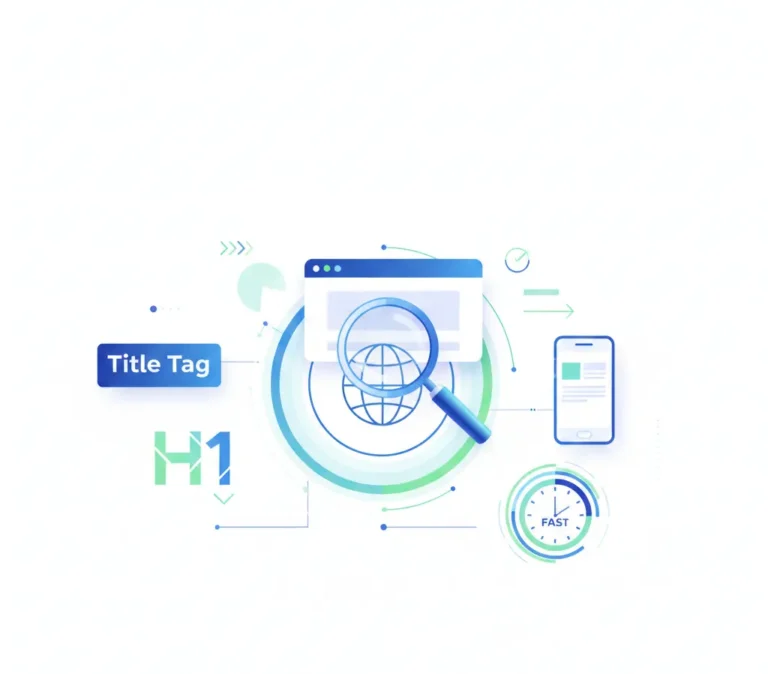
Elements of On-Page SEO
- Title Tags: The primary headline that shows in search engine results. A well-optimized title tag contains the major keyword and effectively explains what the page is about.
- Meta Descriptions: A Summary that shows up in search results beneath the title. By providing a brief overview of your page’s content, they aid in increasing click-through rates.
- Header Tags (H1, H2, H3…): These aid in organizing your information and facilitate visitors’ and search engines’ comprehension of important portions of your page.
- URL Structure: Search engines are better able to comprehend the context of a page when URLs are clear, readable, and contain pertinent keywords.
- Keyword Optimization: Using the proper keywords naturally in your text, headers, and meta tags helps search engines match your page to search queries.
- High-Quality Content: The foundation of on-page SEO is excellent, unique, and informative content. It should deliver definite value and respond to consumer inquiries.
- Internal Linking: Linking to different pages on your website improves search engine crawling and increases user engagement.
- Image Optimization: Using descriptive file names and alt text allows search engines to better comprehend your photographs and increases accessibility.
- Page Speed: Pages that load quickly improve user experience and are preferred by search engines.
- Mobile Friendliness: Websites must be responsive and simple to use on mobile devices, as the majority of users browse using smartphones.
- User Experience (UX): Good design, easy navigation, understandable language, and a clear layout encourage consumers to remain longer and lower bounce rates.
Importance of Keyword Research in On-Page SEO
Keyword research is one of the most important processes in on-page SEO since it reveals what your target audience is looking for and how they phrase their queries. Identifying the proper keywords allows you to generate content that is perfectly aligned with user intent, making your pages easier to find and valuable.
Everything from your title tags, headings, and meta descriptions to the general flow of your content is guided by well-selected keywords. They aid search engines in comprehending the subject matter of your page and providing appropriate search results. Without adequate keyword research, you risk choosing keywords that are overly competitive, irrelevant, or infrequently searched, lowering your chances of ranking.
When done properly, keyword research guarantees that your content reaches the appropriate audience, enhances exposure, increases organic traffic, and fortifies overall SEO performance.
Is On-Page SEO and Off-Page SEO Two Different Things?
Yes, on-page SEO and off page SEO are two distinct aspects of search engine optimization, and each plays a unique function in increasing your website’s position.
On-page SEO focuses on optimizing elements within your website—such as content, keywords, title tags, URLs, internal links, page speed, and user experience. These are factors you can directly control.
Off-page SEO, on the other hand, refers to actions taken outside your website to improve its authority and credibility. This includes backlinks, social signals, brand mentions, influencer outreach, and other external activities that help build trust.
Both are necessary: on-page SEO helps search engines understand your content, whilst off-page SEO improves your website’s reputation. When combined, they produce a well-rounded and successful SEO strategy.
Can I Bring My Website to the First Page Only with On-Page SEO?
No, on-page SEO alone is typically insufficient to rank your website on the top page, particularly for competitive keywords. While on-page SEO is vital for optimizing your content, structure, and user experience, search engines also consider off-page factors such as backlinks, domain authority, and trust signals.
However, for low-competition or very specialized keywords, where fewer websites compete for the same phrases, on-page SEO may occasionally be sufficient. But for most keywords, you’ll require a combination of strong on-page optimization and effective off-page SEO to attain and maintain first-page rankings.
Benefits of On-Page SEO
- Better Keyword Integration: By properly incorporating relevant keywords into your content, titles, and meta descriptions, you can make your website more search engine-friendly and easier to find.
- Acts as a 24/7 Salesperson: Strong on-page optimization makes your website function continuously, drawing visitors and encouraging them to take action.
- Improved User Experience: Engaging content, quick page loads, and a clean layout all help visitors stay on your website longer and lower bounce rates.
- Right Keyword Targeting = Right Audience: Precise keyword targeting ensures that you get visitors who are already looking for what you provide.
- Higher Conversion Potential: You may quickly convert a visitor into a lead and a lead into a client with the correct keywords and excellent content.
- Enhanced Search Rankings: Effective on-page strategies improve search engine comprehension of your content and eventually raise your rankings.
- Builds Authority & Trust: Your brand is positioned as an authority in your industry with valuable, well-organized information.
What is EEAT & Helpful Content
What is E-E-A-T?
E-E-A-T stands for Experience, Expertise, Authoritativeness, and Trustworthiness.
It’s a set of superior signals Google uses to determine whether your content is reliable and valuable for users.
Breakdown of E-E-A-T:
- Experience: Does the creator have real, first-hand experience with the topic?
- Expertise: Does the author have knowledge or qualifications in the field?
- Authoritativeness: Is the website or person recognized as a trusted source in the industry?
- Trustworthiness: How safe, accurate, and honest is the content?
(This is the most important factor.)
E-E-A-T is not a direct ranking factor, but Google uses it to judge how credible and useful your content is.
What is Helpful Content?
Helpful content is content created for people, not just for search engines. It answers real questions, solves problems, and provides genuine value.
Characteristics of Helpful Content:
- Written with the user’s needs in mind
- Clear, accurate, and easy to understand
- Offers insights, examples, or experiences
- Not stuffed with keywords
- Not copied or overly generic
- Keeps users engaged and satisfied
- Demonstrates E-E-A-T
Google’s Helpful Content System is intended to reward websites that provide valuable, user-focused material while devaluing information written solely for “ranking on Google.”
Must-Try Tools for Doing On-Page SEO
Using the appropriate tools is crucial for effective and precise On-Page SEO. These tools assist you in conducting keyword research, optimizing content, auditing your website, and making sure every page complies with Google’s ranking requirements. Here are some of the most powerful tools that every marketer and organization should use:
SEMrush: Advanced Keyword & Competitor Research
One of the most reliable SEO tools for finding high-value keywords, evaluating rivals, determining keyword difficulty, and monitoring ranks is SEMrush. It aids in the precise planning of your On-Page SEO strategy.
Google Keyword Planner: Free Keyword Research Tool
Keyword Planner provides precise search volume statistics straight from Google, making it ideal for both novices and experts. It’s an excellent choice for discovering target keywords, long-tail terms, and location-specific search patterns.
Ubersuggest: Easy & Affordable Keyword Research
Ubersuggest is a simple application that generates keyword ideas, content suggestions, and performs basic SEO assessments. It’s ideal for those seeking rapid insights or beginners looking for low-cost SEO choices.
SurferSEO: Content Writing & Optimization Tool
SurferSEO helps you create perfectly optimized articles, blogs, and website content based on real-time data and competitor analysis. It supports you with:
- Keyword placement
- Readability
- Content quality
- Competitor content analysis
- NLP keywords integration
Detailed SEO Extension: Quick Page-Level SEO Checks
The Detailed SEO Chrome extension helps you instantly analyze any page’s On-Page SEO factors, including:
- Title & meta tags
- Header structure
- Schema
- Word count
- Internal & external links
It’s perfect for a fast overview of your content’s optimization level.
Screaming Frog: Deep On-Page SEO Auditing
One of the most effective tools for technical and on-page audits is Screaming Frog. It scans your whole website and identifies problems like:
- Broken links
- Duplicate content
- Missing title/meta descriptions
- Slow pages
- Redirect chains
- URL structure issues
If you’re serious about On-Page SEO, this tool is a must-have.
Final Thoughts
Every effective digital marketing approach starts with on-page SEO. When done correctly, it increases the exposure of your website, enhances the user experience, and helps you draw in targeted, high-quality visitors. From optimizing keywords and content to fine-tuning meta tags, internal links, and technological factors, every single step helps to improve ranks and conversions.
If you want experienced advice and proven results, The Leeway Media, the Best SEO Company in Kerala, can help. We guarantee that your website is thoroughly optimized to beat rivals and remain in line with Google’s most recent requirements thanks to our team’s expertise in on-page optimization, keyword strategy, content enhancement, and thorough SEO audits.
Ready to boost your search presence? Partner with us and unlock growth the smart way.